
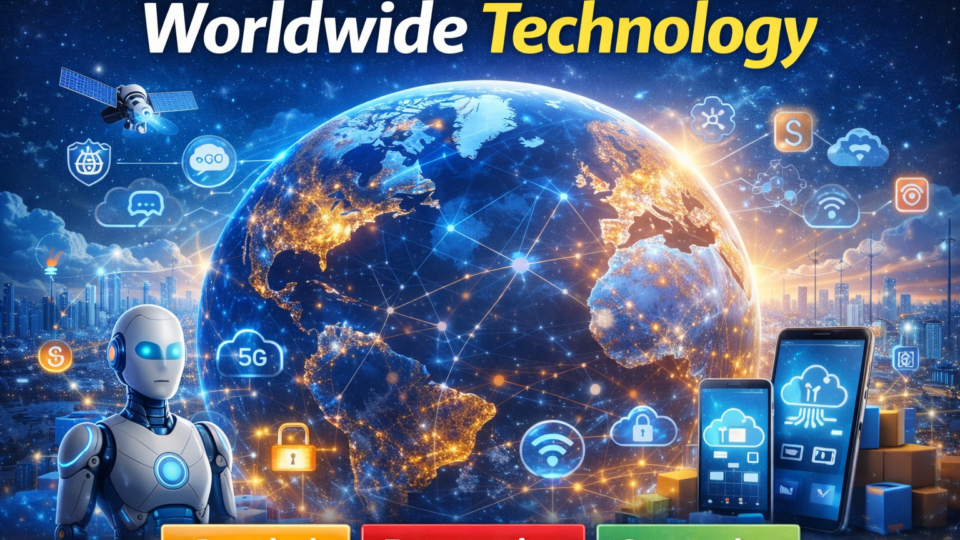
Worldwide Technology: How Innovation Is Shaping the Modern World
World wide technology is transforming how people live, work, learn, and communicate. From artificial intelligence to cloud computing, technology now connects countries, businesses, and individuals at a global scale. What once took years now happens in seconds.
This article explains worldwide technology, its major areas, real world impact, and where the future is heading.
What Is World wide Technology
Worldwide technology refers to the global development, use, and sharing of digital tools, systems, and innovations. It includes hardware, software, networks, and emerging technologies used across countries and industries.
Technology is no longer limited by borders. A solution created in one country can serve millions worldwide.
Why World wide Technology Matters Today
Technology drives economic growth, education, healthcare, and communication. It helps solve global problems faster and improves access to information.
According to World Economic Forum, digital transformation is a key factor in global development and competitiveness.
Worldwide technology creates equal opportunities by connecting people regardless of location.
Major Areas of World wide Technology
Global technology growth focuses on several core areas that shape daily life.
Artificial Intelligence and Automation
Artificial intelligence improves decision making, productivity, and efficiency. It powers virtual assistants, recommendation systems, and smart analytics.
AI is used worldwide in:
- Healthcare diagnostics
- Customer support
- Manufacturing automation
- Financial services
Automation reduces repetitive work and increases accuracy.
Internet and Global Connectivity
The internet is the backbone of worldwide technology. High speed connectivity allows instant communication and data sharing.
Technologies like 5G and fiber networks improve global access and support remote work, online learning, and digital businesses.
Cloud Computing
Cloud technology allows data storage and software access from anywhere. Businesses no longer rely on local servers.
Cloud systems support:
- Remote collaboration
- Data security
- Scalable applications
- Global operations
This makes technology accessible to companies of all sizes.
Worldwide Technology in Business
Businesses rely on technology to compete globally. Digital tools help companies reach international markets, manage operations, and analyze data.
Common business technologies include:
- E commerce platforms
- Digital payments
- Customer relationship systems
- Supply chain software
Technology allows even small businesses to operate worldwide.
World wide Technology in Education
Education has changed through digital learning platforms. Students can access global resources without leaving home.
Online classrooms, learning apps, and virtual libraries support flexible education. This improves access for students in remote areas.
Organizations like UNESCO promote technology to support global education equality.
Worldwide Technology in Healthcare
Healthcare technology saves lives and improves care quality.
Key global health technologies include:
- Telemedicine
- Digital health records
- Wearable devices
- AI powered diagnostics
Doctors can now consult patients across borders and share medical data securely.
Cybersecurity and Global Technology Risks
As technology grows, risks also increase. Cybersecurity is a major concern worldwide.
Common risks include:
- Data breaches
- Identity theft
- Cyber attacks
- Privacy issues
Global cooperation is essential to protect digital systems and users.
Role of Mobile Technology Worldwide
Smartphones are the most widely used technology globally. They provide access to communication, banking, education, and entertainment.
In many regions, mobile devices are the primary internet source. Mobile apps support financial inclusion and digital services.
Worldwide Technology and Economic Growth
Technology boosts productivity and creates new industries. It supports startups, innovation hubs, and digital economies.
Countries investing in technology often experience faster growth and higher employment opportunities.
Worldwide technology also creates demand for new skills and careers.
Future Trends in Worldwide Technology
Technology continues to evolve rapidly.
Key future trends include:
- Artificial intelligence expansion
- Smart cities
- Internet of Things
- Green and sustainable technology
- Virtual and augmented reality
These innovations will further connect the world and improve efficiency.
FAQ: How Does Worldwide Technology Affect Daily Life
Worldwide technology improves communication, access to services, and convenience. It allows people to work remotely, learn online, and stay connected globally.
FAQ: Is Worldwide Technology the Same in Every Country
No. Access and adoption vary by region. Infrastructure, education, and policy affect how technology is used. However, global access is improving steadily.
FAQ: What Skills Are Important in a Worldwide Technology Era
Digital literacy, problem solving, adaptability, and basic technology skills are essential. Lifelong learning is important as technology evolves.
Challenges Facing Worldwide Technology
Despite benefits, challenges remain.
These include:
- Digital divide
- Privacy concerns
- Skill gaps
- Ethical use of technology
Addressing these challenges requires global cooperation and responsible innovation.
Final Thoughts
Worldwide technology is shaping the future of humanity. It connects people, drives innovation, and opens new opportunities across the globe. While challenges exist, responsible use and inclusive access can ensure technology benefits everyone.
Understanding worldwide technology helps individuals and businesses stay prepared for a connected future. The world is digital, and technology continues to bring it closer every day.
Leave a Reply